 Millionaire Services The Millionaire Blueprint: Crafted for Success
FDIC Deposit Insurance: What You Should Know.
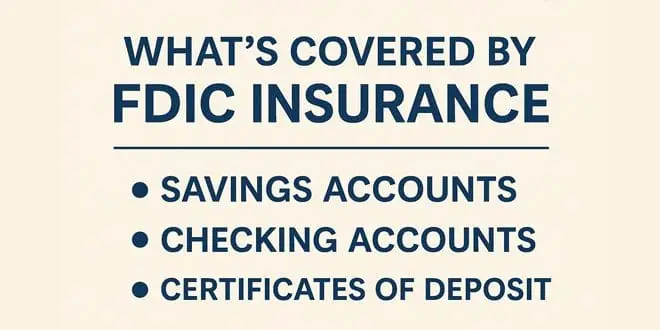
If you want to keep your money safe, it’s essential to understand FDIC deposit insurance and what you should know. Since 1933, the Federal Deposit Insurance Corporation (FDIC) has protected depositors in U.S. banks. It was created to build public trust after bank failures during the Great Depression. Today, the FDIC insures up to $250,000 per depositor, per insured bank. However, that protection has limits, and knowing how it works is essential.
Understand How Deposit Protection Works.
First, when you deposit money into a bank, you become an unsecured creditor. This means the money technically belongs to the bank, which they owe you. Although the FDIC guarantees your funds up to $250,000, that protection depends on the agency’s ability to cover widespread losses. The FDIC can likely fulfill its promises as long as there are no massive failures across the banking system.
Be Aware of Government Reporting Requirements.
Next, even though it’s your money, withdrawing or transferring large amounts could trigger reports. A bank must file a Currency Transaction Report (CTR) for any cash transaction over $10,000. The Bank Secrecy Act (BSA) also requires reports for combined transactions totaling $1,000 or more per person per day. These reports are submitted to the U.S. Treasury’s Financial Crimes Enforcement Network (FinCEN). Because of these rules, your transactions are watched more closely than expected.
Know the Limits of the FDIC’s Coverage.
Then, consider the numbers. While the FDIC insures about $10 trillion in deposits, another $8 trillion is not insured. Surprisingly, the FDIC has only around $119.3 billion in reserves, just over 1% of the insured total. If there were a widespread banking collapse, this fund could fall short. You might recover just a small portion of your balance if that happened.
Understand FDIC Deposit Insurance and What You Should Know.
In conclusion, understanding FDIC deposit insurance and its key aspects enables you to make more informed decisions about where and how to store your money. While the FDIC provides essential protection, it’s wise to stay within insured limits and review the agency’s balance sheets at www.fdic.gov. After all, knowledge is your best defense when it comes to your savings.
Additional Resources:
Millionaire Services, LLC participates in the Amazon Services LLC Associates Program, an affiliate advertising program designed to provide a means for sites to earn advertising fees by advertising and linking to Amazon.com.
To learn more, visit banking.
