Millionaire Services The Millionaire Blueprint: Crafted for Success
Start by Defining the Purpose.
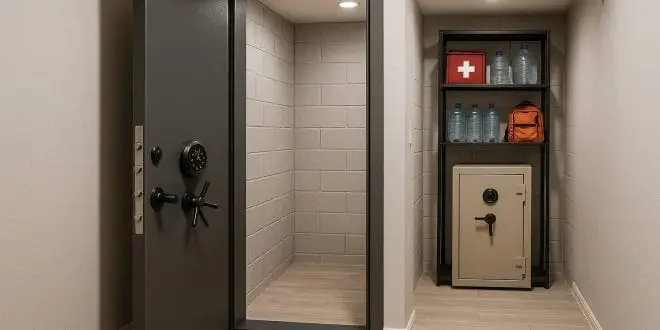
When you design a practical safe room, clarity is essential. First, determine if it’s meant for storms, intrusions, or both. For example, weather shelters require strong structural reinforcements. Therefore, consult a licensed engineer to meet wind-resistance codes. If building a new home, consider including a concrete vault during the planning stage. As a result, you’ll create a room that meets safety standards from the ground up.
Strengthen the Structure Effectively.
To resist intrusions, structural reinforcement must be taken seriously. Consequently, install a solid metal or thick wood door. Since weak entry points compromise safety, reinforce doorframes with metal plates and long screws. In addition, use premium-grade deadbolts. For upstairs safe rooms, include a fire-rated escape ladder that supports at least 1,000 pounds. These measures work together to slow down threats and increase your protection window.
Use Layered Security Technology.
A smart safe room includes redundant security tools. Because speed matters in emergencies, install an alarm keypad or panic button inside. Moreover, consider backup options like air horns or car key fobs. These alternatives attract attention when electronic systems fail. That way, you’re never dependent on a single system. By layering alerts, you increase the chance of external help noticing distress signals.
Ensure Consistent Communication Access.
While many homes still have landlines, please don’t rely on them exclusively. Always keep a charged cellphone in the room—even if deactivated. Since deactivated phones can still dial 911, they provide critical backup. Additionally, test your room’s cell signal in advance. If service is weak, consider a signal booster. Because connectivity often determines response speed, prioritize it in your planning.
Facilitate Law Enforcement Entry.
During a high-risk situation, law enforcement access matters. Therefore, store clearly labeled spare house keys inside the room. If police arrive, you can toss them a key from a window. That quick action prevents property damage and accelerates entry. As a result, responders reach you faster without breaching doors. Although it seems small, this tip can be a major lifesaver.
Stock Essential Emergency Supplies.
A safe room should also serve short-term survival needs. Equip it with a fire extinguisher, flashlight, and first aid kit. Furthermore, include defense tools like pepper spray or a personal alarm. Add bottled water, blankets, and nonperishable snacks. By thinking beyond security, you’ll be more comfortable during extended lockdowns. These preparations support both survival and peace of mind.
Design for Safety and Control.
Ultimately, when you design a practical safe room, every detail counts. Since emergencies are unpredictable, your best defense is preparation. With reinforced walls, communication tools, and layered security, you stay one step ahead. Therefore, focus on control, safety, and rapid response. By combining structure and strategy, you give yourself the best chance to stay secure until help arrives.
Millionaire Services, LLC participates in the Amazon Services LLC Associates Program, an affiliate advertising program designed to provide a means for sites to earn advertising fees by advertising and linking to Amazon.com. The Safety Trap: A Security Expert's Secrets for Staying Safe in a Dangerous World Home Security: The Secure Dad's Guide: Easy Home Defense Techniques to Keep Your Family Safe Practical Home Security: A Guide to Safer Urban Living Defend Yourself: A Comprehensive Security Plan for the Armed HomeownerAdditional Resources:
To learn more, visit safety and security.